

A Noiva!
Maggie Gyllenhaal reanima e rebatiza a criação de Mary Shelley

Crítica em português
Desde os primórdios do cinema, o livro seminal da literatura gótica e de horror escrito por Mary Shelley, Frankenstein, tem sido adaptado, interpretado e contextualizado com base nos anseios artísticos e nas inquietações sociais, adquirindo matizes e propósitos que variam entre o horror puro, a tragédia romântica - tanto derivado do romantismo, quanto do romance -, a comédia e a alegoria. Esta tradição de adaptações começou em 1910, com a versão de J. Searle Dawley; depois houve a adaptação célebre de 1931 e sua sequências de 1935, de James Whale; a paródia de Mel Brooks, O Filho de Frankenstein; as interpretações contemporâneas de Kenneth Brannagh, Guillermo Del Toro; e ainda a apropriação queer em Lisa Frankenstein, para citar alguns. Parecido com o Drácula de Bram Stoker e a sua resiliência dentro do imaginário popular, a Criatura ou o Monstro de Frankenstein é uma figura plástica e facilmente maleável como é possível constatar neste A Noiva!, da atriz e diretora Maggie Gyllenhaal - que havia estreado na direção e roteiro de longas-metragens com a adaptação de Elena Ferrante, A Filha Perdida.
Enquanto na maioria das versões anteriores a Criatura havia ocupado o imaginário do mito, Maggie bifurca o olhar e expande a discussão temática de criador e criatura e da solidão. Interpretada por Christian Bale, a Criatura está vagando, sozinha, por mais de um século - se considerarmos a data da publicação do manuscrito de Shelley em 1818 - por Chicago em 1930. A Criatura, carente de contato humano, anseia uma igual e acha que a Dr. Euphronius (Annette Bening), uma especialista em reanimação ou se preferir reavivamento, pode ser capaz de ajudá-lo. A mulher destinada a ser a sua noiva, Ida (a vencedora futura do Oscar de Melhor Atriz, Jessie Buckley), está envolvida com crime organizado de Chicago e morre já na sequência inicial, em uma sequência que inicia a discussão da relação complexa entre criador e criatura que Maggie propõe realizar.
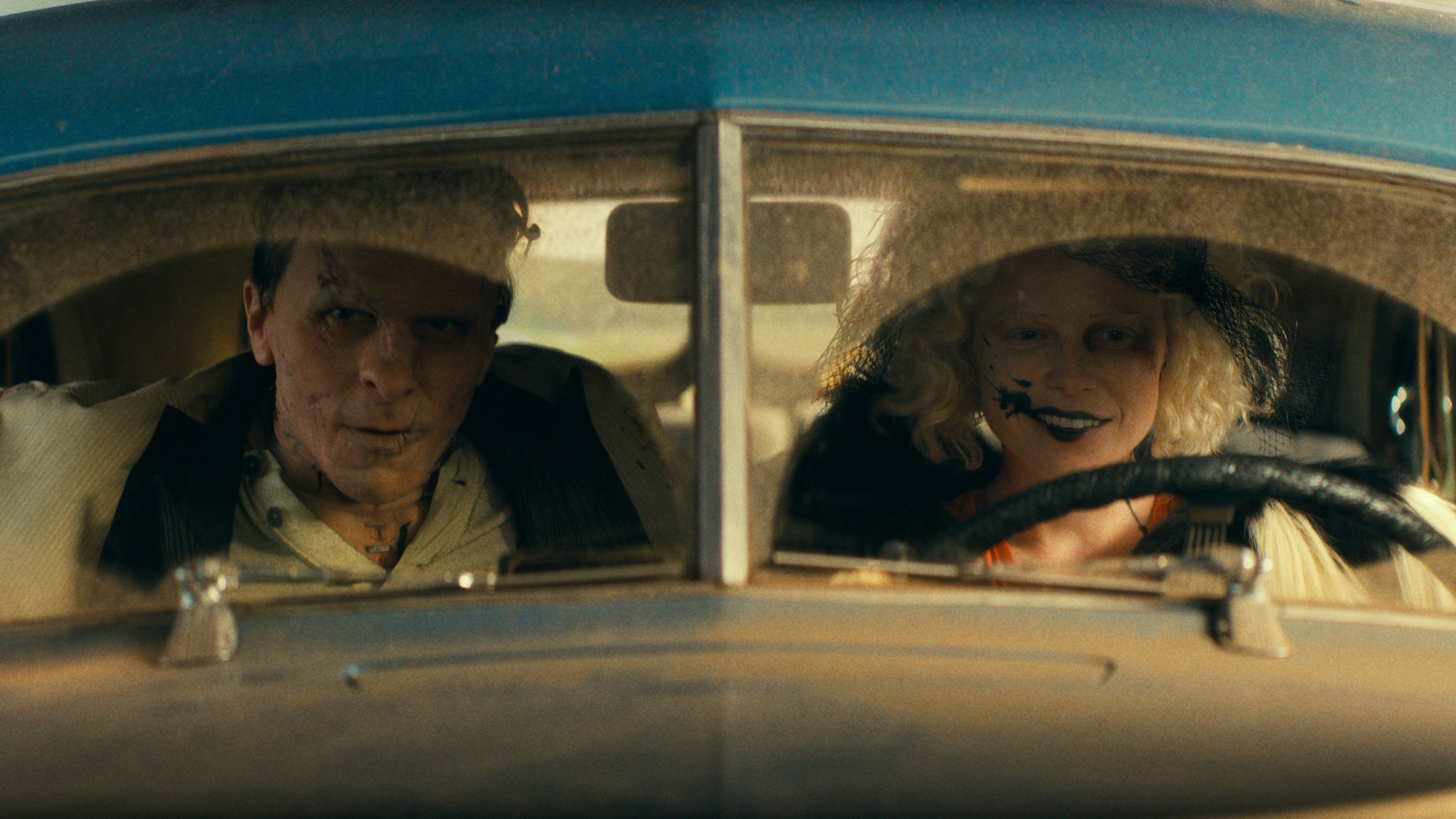
Em vez da lógica clássica em que o criador, enojado por sua criação, abandonava a sua criatura à própria sorte, Maggie explora uma dinâmica diferente. É que Jessie também interpreta a escritora Mary Shelley, que faleceu em decorrência de um tumor cerebral, e desempenha um papel importante dentro da engrenagem criativa. E Mary “penetra” por entre a apatia exibida por Ida para fragmentar ou dissociar a sua personalidade: o gesto, afora criar o distanciamento para visualizarmos os eventos como dramatização, ainda desloca a lógica criador/criatura para autor/personagem. O processo de escrita e invenção acontece em tempo real, praticamente, quando a adoecida Mary funde-se em Ida, tornando-a não só o produto de sua imaginação, como um mecanismo de fuga, até de elaboração dos traumas neurológicos atravessados. A isto, adicione uma camada de Maggie em diálogo com Mary Shelley, construindo, desconstruindo ou ressignificando as suas Criaturas enquanto ainda dialoga com a história do cinema (mas chego já lá).
Desse modo, para que A Noiva exista e a fusão aperfeiçoe-se, Ida precisa morrer. E sua morte é tanto literal, quanto simbólica, porque do olhar apático da cena inicial deflui a personalidade intensa, indomável e verborrágica (como meio de enfrentar quem deseja silenciá-la; o gangster Lupino tem o hábito de cortar a língua das mulheres). Depois da morte física e simbólica, com a perda do nome, advém o renascimento e a angústia em descobrir qual sua identidade e o seu papel no mundo. Esta jornada de autodescoberta alimenta a atuação de Buckley, caracterizada por uma intensidade ou uma eletricidade que alguns críticos denominariam erroneamente de overacting. Por trás da voz e gestos amplificados, insinuam-se por entre as fissuras da performance a fragilidade da Noiva - ou Penelope, como é rebatizada pela Criatura.
Aliás, tem muita coisa interessante que podemos debater sobre a relação dela com a Criatura, que a conduz por caminhos que obedecem não os desejos dela, mas as suas obsessões. Apesar de parecer haver um acordo tácito de afeto e sobrevivência, existe uma espécie de imposição: de Chicago a Nova York e Niagara Falls, a rota percorrida é fruto das fantasias cinematográficas da Criatura, inspiradas pelos filmes estrelados pelo ator dançarino Ronnie Reed (Jake Gyllenhaal, o irmão da diretora). Quer dizer, a Criatura projeta sobre a Noiva a companheira imaginada e desejada, mesmo que os desejos dela não tenham sido necessariamente atendidos, nem sequer suas vontades escutadas. A Noiva continua refém, perpetuando o ciclo vicioso de relações abusivas com os personagens interpretados por John Magaro e Peter Sarsgaard. Se não somos capazes de enxergar a relação dela com a Criatura da mesma forma que as anteriores, é só porque Bale é hábil e sensível em criar uma atuação moldada por um olhar gentil e vulnerável, mesmo que a fisicalidade e aparência pareçam monstruosos.
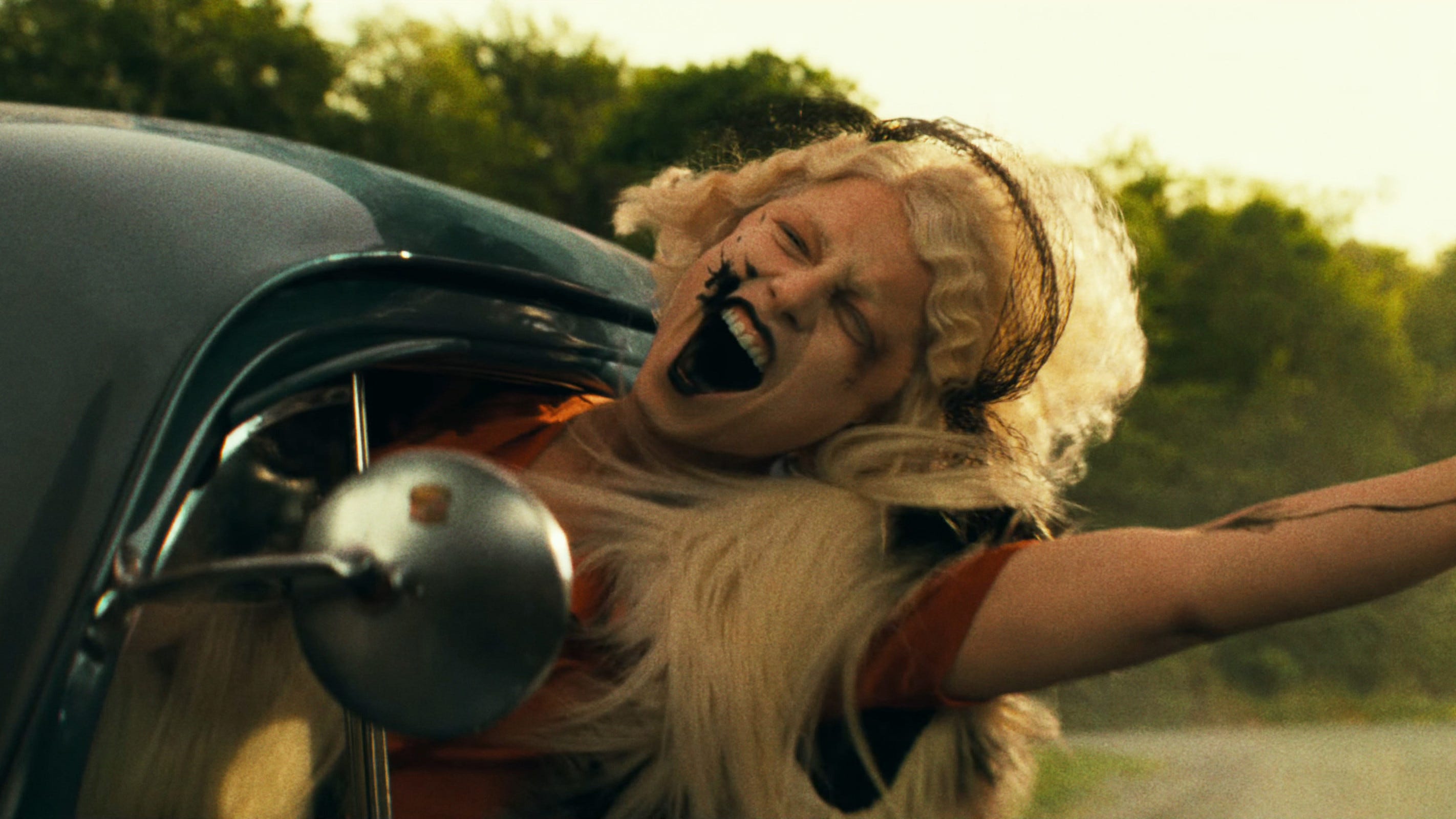
É nesse ponto que a narrativa abre espaço para um comentário bastante frontal sobre a condição feminina. O contexto explícita e implicitamente misógino ou machista - a detetive Myrna Malloy, vivida por Penélope Cruz, ou a médica e cientista Euphronius são diminuídas em razão do gênero, além da violência física e sexual contra a mulher - transforma a narrativa em um basta quando algumas personagens dirigem-se à câmera e repetem o mantra do movimento #MeToo de forma literal. Não há sutileza no gesto, nem deveria haver. A diretora afirma, com clareza, uma denúncia contra as violências que atravessam aquelas mulheres, retira a mordaça do silenciamento e converte a sua personagem-título em uma catalisadora de consciência e rebeldia; aí, ao recordar que a narrativa tem um elemento metalinguístico, então Mary Shelley termina sendo esta mudança viva, uma vez que a autora precisou publicar a sua obra anonimamente, por ser mulher.
A narrativa adota um curioso parentesco com a tradição cinematográfica de amantes fora da lei inaugurada por Bonnie & Clyde, e revisitada em narrativas contemporâneas como Queen & Slim. Como aqueles personagens que, mesmo criminosos, despertavam uma espécie de culto popular, a Noiva e a Criatura tornam-se figuras que inspiram um conjunto de microrrevoluções e ameaça o sistema patriarcal que perpetua violências e silêncios. Tudo isso é sustentado por um filme visualmente vibrante, que dialoga com o imaginário do Frankenstein clássico ao mesmo tempo em que o reconfigura. A Noiva surge com a pele manchada - que cria um diálogo curioso com a boca de Buckley, que é uma marca registrada - e os cabelos alvos como se banhados em água sanitária, um tipo de Coringa, digamos assim, mas que não dialoga com os opressores InCels e Red Pills, e sim com mulheres violentadas e marginalizadas.
Há também um comentário sobre o próprio cinema: para a Criatura, a sala escura é a sua fuga contra a solidão no mundo dos sonhos; para a diretora, é matéria-prima para costurar referências e criar um novo filme a partir de outros. Ou seja, em uma análise final, Maggie é a Dra. Frankenstein aqui: pois com retalhos é capaz de criar uma obra envolvente, com personagens cativantes e discussões contemporâneas. É o gesto mais interessante de A Noiva!, talvez: reconhecer que o cinema é simultaneamente memória e reinvenção. Um lugar onde um mito centenário pode ser desmontado, remontado e, finalmente, reavivado, a fim de discutir outras inquietações e urgências com um jeito metalinguístico punk rock que pouco, digo poucos, alcançam com tamanha maestria.
Bravo, Maggie!
English review
Since the earliest days of cinema, the seminal work of Gothic and horror literature written by Mary Shelley, Frankenstein, has been adapted, interpreted, and contextualized according to artistic ambitions and social anxieties, acquiring shades and purposes that range from pure horror to romantic tragedy, both derived from Romanticism and from romance itself, as well as comedy and allegory. This tradition of adaptations began in 1910 with the version directed by J. Searle Dawley; later came the celebrated 1931 adaptation and its 1935 sequel directed by James Whale; the parody by Mel Brooks, Young Frankenstein; the contemporary interpretations by Kenneth Branagh and Guillermo del Toro; and even the queer appropriation found in Lisa Frankenstein, to name a few. Much like Bram Stoker’s Dracula and its resilience within the popular imagination, Frankenstein’s Creature or Monster is a plastic and easily malleable figure, as can be observed in The Bride!, directed by actor and filmmaker Maggie Gyllenhaal, who had previously made her feature directing and screenwriting debut with the adaptation of Elena Ferrante’s The Lost Daughter.
While in most previous versions the Creature occupied the center of the myth’s imagination, Maggie bifurcates the gaze and expands the thematic discussion of creator and creation as well as loneliness. Played by Christian Bale, the Creature has been wandering alone for more than a century, if we consider the date of Shelley’s manuscript publication in 1818, through Chicago in the 1930s. The Creature, deprived of human contact, longs for an equal and believes that Dr. Euphronius, played by Annette Bening, a specialist in reanimation or revival, might be capable of helping him. The woman destined to become his bride, Ida, played by Jessie Buckley, who will likely be the future Academy Award winner for Best Actress by the time this text is published, is entangled with Chicago’s organized crime and dies in the opening sequence, in a moment that immediately initiates the discussion of the complex creator and creature relationship that Maggie proposes to explore.
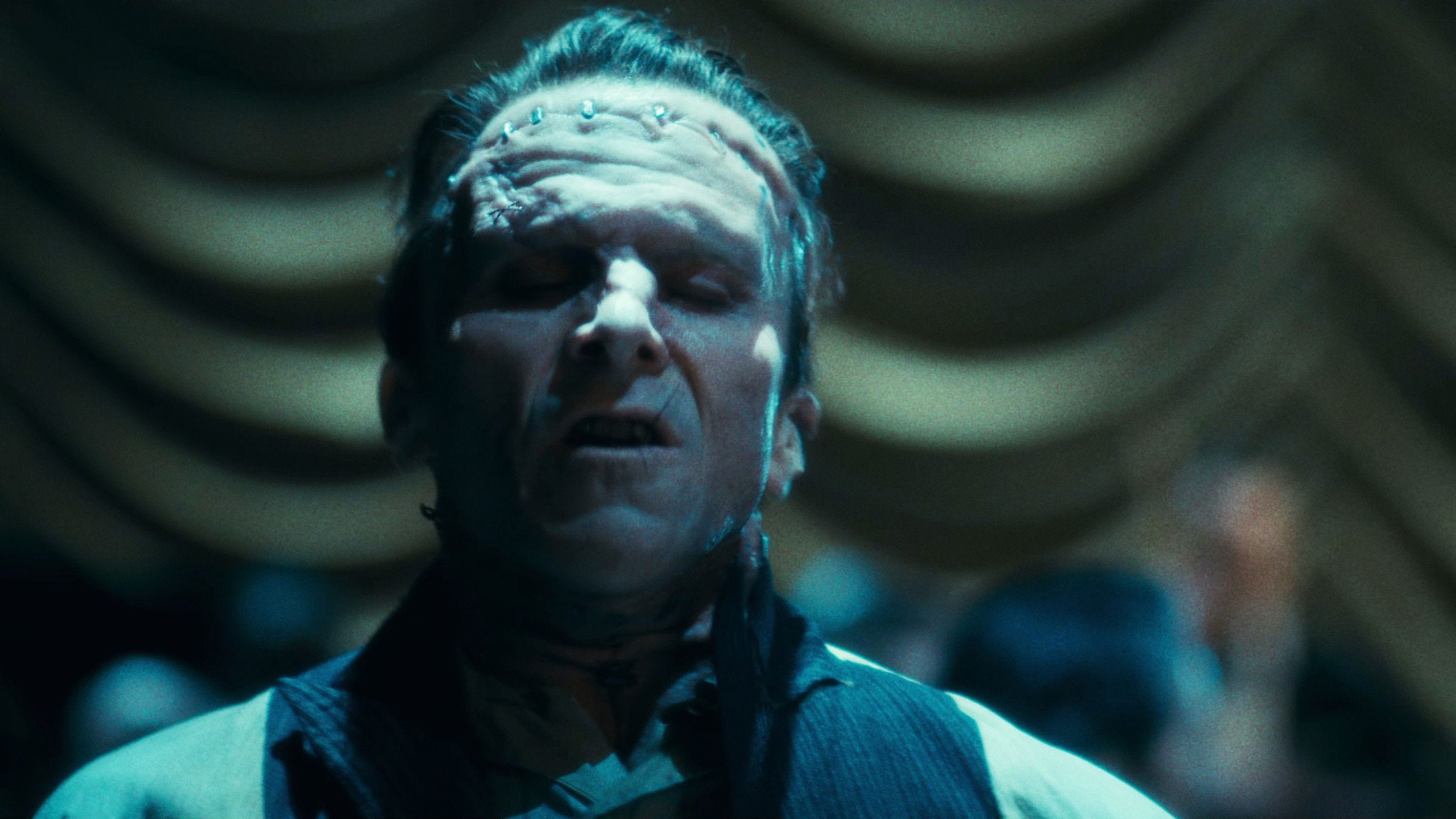
Instead of the classical logic in which the creator, disgusted by his own creation, abandons the creature to its fate, Maggie explores a different dynamic. Buckley also portrays the writer Mary Shelley, who died from a brain tumor, and plays a key role within the creative machinery of the narrative. Mary seems to penetrate Ida’s apathy, fragmenting or dissociating her personality. This gesture not only creates distance so that we perceive the events as dramatization, but also shifts the traditional creator and creature logic into that of author and character. The process of writing and invention seems to occur almost in real time as the ailing Mary merges with Ida, transforming her not only into a product of imagination but also into a mechanism of escape and even a means of elaborating the neurological trauma she endures. To this we may add another layer, which is Maggie herself entering into dialogue with Mary Shelley, constructing, deconstructing, and resignifying her Creatures while still engaging with the history of cinema.
Thus, for the Bride to exist and for this fusion to be completed, Ida must die. Her death is both literal and symbolic because from the apathetic gaze of the opening scene emerges a fierce, untamed, and verbose personality, a way of confronting those who seek to silence her, as gangster Lupino has the habit of cutting out women’s tongues. After the physical and symbolic death, accompanied by the loss of her name, comes rebirth and the anguish of discovering her identity and her place in the world. This journey of self discovery fuels Buckley’s performance, characterized by an intensity or electricity that some critics might mistakenly label as overacting. Behind the amplified voice and gestures, however, the fragility of the Bride, or Penelope as she is renamed by the Creature, reveals itself through the cracks of the performance.
There is in fact much to discuss regarding her relationship with the Creature, who leads her along paths that obey not her desires but his obsessions. Although there appears to be a tacit agreement of affection and survival between them, there is also a form of imposition. From Chicago to New York and Niagara Falls, the route they travel is guided by the Creature’s cinematic fantasies, inspired by films starring the dancing actor Ronnie Reed, played by Jake Gyllenhaal, the director’s brother. In other words, the Creature projects onto the Bride the companion he imagines and desires, even though her own wishes are neither heard nor fulfilled. The Bride remains trapped, perpetuating the cycle of abusive relationships already experienced with the characters played by John Magaro and Peter Sarsgaard. If we are not immediately able to see her relationship with the Creature in the same way as the previous ones, it is because Bale skillfully crafts a performance shaped by a gentle and vulnerable gaze, even though his physicality and appearance remain monstrous.
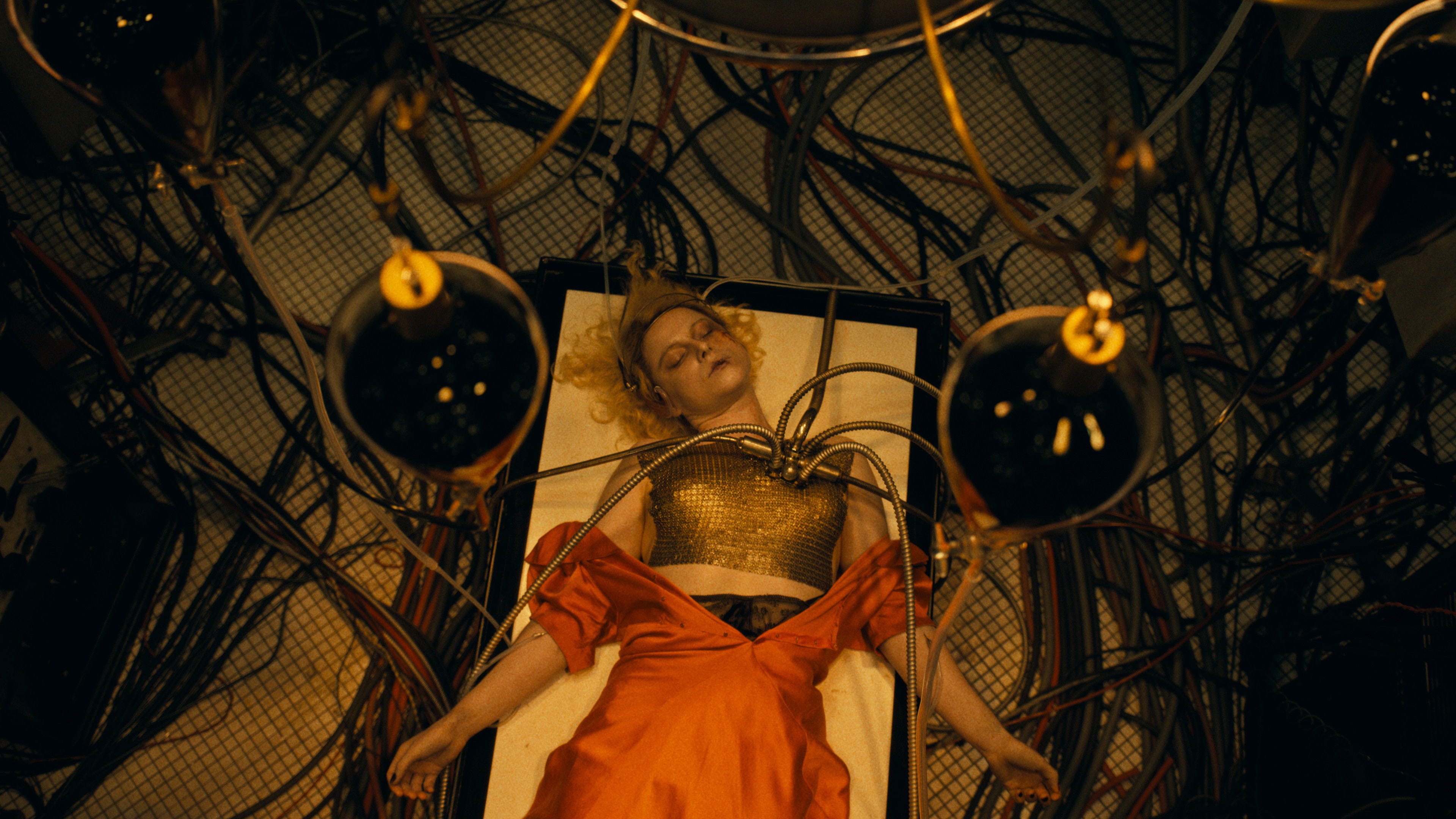
At this point the narrative opens space for a rather direct commentary on the female condition. The explicitly and implicitly misogynistic context, in which detective Myrna Malloy played by Penélope Cruz and the scientist Euphronius are diminished because of their gender, alongside the physical and sexual violence inflicted upon women, transforms the narrative into a statement when some characters look directly into the camera and repeat the mantra of the MeToo movement in literal fashion. The gesture is not subtle, nor should it be. The director clearly denounces the violence that permeates these women’s lives, removes the gag of silence, and transforms the Bride into a catalyst for awareness and rebellion. When we remember the narrative’s metalinguistic dimension, Mary Shelley herself becomes part of that transformation, since the author was forced to publish her novel anonymously because she was a woman.
The narrative adopts a curious kinship with the cinematic tradition of outlaw lovers inaugurated by Bonnie and Clyde and revisited in contemporary works such as Queen and Slim. Just like those characters who, despite their criminal actions, inspired a certain cult following, the Bride and the Creature become figures capable of igniting small revolutions and threatening the patriarchal system that perpetuates violence and silence. All of this is sustained by a visually vibrant film that dialogues with the imagery of classic Frankenstein while simultaneously reconfiguring it. The Bride appears with stained skin, which creates an interesting dialogue with Buckley’s distinctive mouth, and with hair as white as if it had been bleached, something that vaguely recalls a Joker like figure, though one aligned not with incel resentment but with women who have been marginalized and violated.
There is also a reflection on cinema itself. For the Creature, the dark theater becomes an escape from loneliness in a world of dreams. For the director, cinema becomes raw material through which she stitches together references in order to create a new film from fragments of others. In a final analysis, Maggie becomes the true Dr. Frankenstein here, because with scattered pieces she constructs an engaging work filled with captivating characters and contemporary debates. Perhaps that is the most fascinating gesture of The Bride!, recognizing that cinema is simultaneously memory and reinvention. It is a place where a century old myth can be dismantled, reassembled, and finally revived in order to discuss new anxieties and urgencies through a punk rock metalinguistic spirit that very few filmmakers achieve with such mastery.
Bravo, Maggie.