

Home

Crítica em português
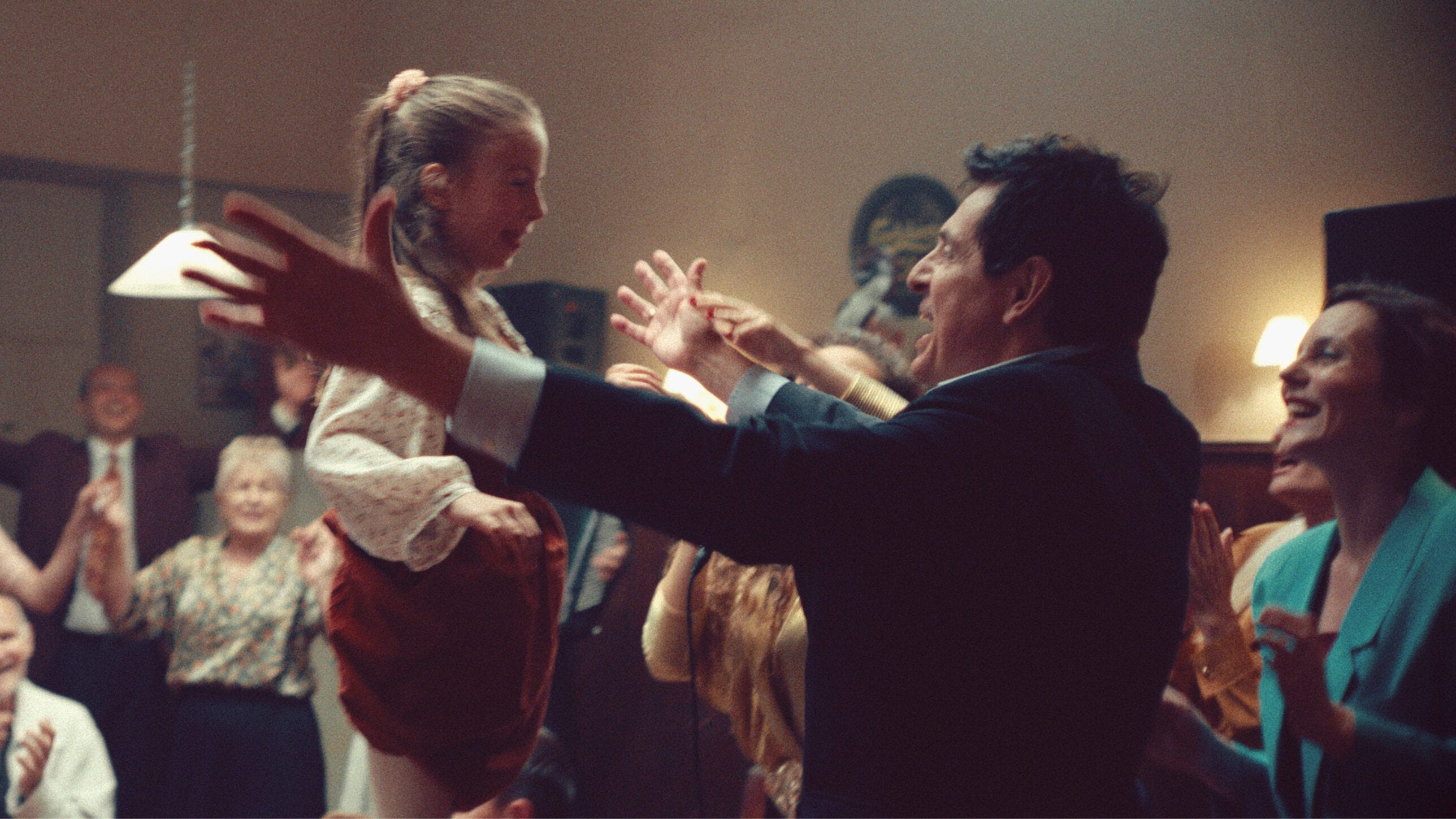
Na semana em que assisti a Home, a estreia na direção de longas-metragens da atriz Marijana Janković, havia preparado a aula de Minha Vida de Cachorro. E este clássico do cinema sueco sangrou inevitavelmente neste drama autobiográfico dinamarquês e sérvio em como ambos retratam o olhar infantil dentro de circunstâncias extremas e adversas da vida (a iminência da morte de um ente querido e a imigração em direção ao sonho do idílio não concretizado), mediado por um olhar adulto, do espectador ou do protagonista. A despeito da diferença etária, de gênero e de circunstâncias, o que aproxima estas obras é o olhar terno de Ingemar ou Maja tentando compreender um mundo em transformação e que perderá a inocência trazida em uma memória solar e calorosa: Ingemar recorda a mãe à beira do lago, rindo de suas brincadeiras; Maja, os rostos e sorrisos dos irmãos que permaneceram na antiga Iugoslávia após imigrar, ao lado dos pais, para a Dinamarca.
O roteiro tem início quando Marko (Dejan Čukić) decide imigrar à Dinamarca, a fim de buscar condições melhores de vida para a família do que a vida rural no país. Vera (Nada Šargin), a esposa, relutantemente acata. O mundo é patriarcal, afinal de contas. Contudo, a família precisa deixar para trás os filhos e irmãos mais velhos de Maja, até reunir a estabilidade financeira e logística para recebê-los neste lar. Marijana Janković conceitua o lar não como a nação ou a residência em que estamos juntos, mas a família reunida com laços afetivos. Deste modo, a falta de peças-chave fragiliza a formação de um lar dinamarquês, à medida em que o país revela não ser igual à terra dos contos de fadas fabulada por Hans Christian Andersen.
A experiência da imigração é filtrada não apenas através do olhar infantil, ingênuo ao fato de que as ligações interurbanas feitas à Iugoslávia podem produzir consequências irreversíveis ao sustento da família, mas ainda do olhar de Marko, o responsável direto por manter o véu do encantamento prestes a ruir. Nem mesmo um passeio nos Jardins de Tivoli é capaz de afastar a realidade amarga da imigração. Não é uma aventura, mas uma ruptura. A expectativa de uma terra idealizada é ameaçada pela atuação do serviço de imigração, pela ganância de quem explora a condição precária do imigrante ou pela dificuldade idiomática e pelo não pertencimento social ou cultural. Marijana Janković alimenta esta animosidade na eliminação da Iugoslávia da Eurocopa 1992, em favor da Dinamarca, acarretada pelas sanções da FIFA à guerra civil no país.
O caráter autobiográfico autentica a experiência narrativa, que às vezes aparenta ser a já corriqueira pornografia da miséria, em que pessoas boas acumulam indignidades na esperança de que tamanha injustiça sensibilize o espectador. Menos mal que Marijana esteja cortando na própria carne, enquanto transforma suas experiências e lembranças em uma matéria prima cinematográfica oportuna para os tempos contemporâneos, em que a figura do imigrante é desprezada e vilificada. Mesmo que não seja este o modo de agir dos dinamarqueses na narrativa - a maioria justa e razoável, mas em uma certa medida, estrita e indiferente -, ainda é uma obra que ecoa com estes tempos sombrios. Enquanto faz isto, estabelece um diálogo competente sobre o que significa viver entre dois lugares sem pertencer totalmente a nenhum: nem à Dinamarca, onde se escreve o capítulo seguinte de uma família com as palavras de um idioma que não é mais o seu e nem à Iugoslávia, onde as palavras dos capítulos escritos começam a ser esquecidas ou perdidas nos borrões e clarões da memória.
Home participou da seleção oficial do Festival Internacional de Cinema de Roterdã.
English review
In the week I watched Home, the feature directorial debut of actress Marijana Janković, I had been preparing a class on My Life as a Dog. And this Swedish cinema classic inevitably bled into this autobiographical Danish-Serbian drama in the way both portray a child’s perspective within extreme and adverse life circumstances (the impending death of a loved one and immigration toward the dream of an unfulfilled idyll), mediated by an adult gaze — whether that of the viewer or of the grown protagonist. Despite differences in age, gender, and circumstance, what brings these works together is the tender gaze of Ingemar or Maja trying to understand a world in transformation, one that will lose the innocence preserved in warm, sunlit memories: Ingemar recalls his mother by the lake, laughing at his playfulness; Maja remembers the faces and smiles of the siblings who remained in the former Yugoslavia after she immigrated with her parents to Denmark.
The screenplay begins when Marko (Dejan Čukić) decides to immigrate to Denmark in search of better living conditions for the family than those offered by rural life in their home country during its civil war. Vera (Nada Šargin), his wife, reluctantly agrees. The world is patriarchal, after all. However, the family must leave behind Maja’s older siblings and brothers until they can achieve the financial and logistical stability needed to bring them into this new home. Janković conceptualizes “home” not as the nation or the physical residence where people live together, but as a reunited family bound by emotional ties. In this way, the absence of key members weakens the formation of a Danish home, especially as the country proves far from the fairy-tale land imagined by Hans Christian Andersen.
The immigrant experience is filtered not only through a child’s naïve perspective — unaware that long-distance phone calls to Yugoslavia may have irreversible consequences for the family’s livelihood — but also through Marko’s point of view, as he is directly responsible for maintaining the veil of enchantment that is about to collapse. Not even a visit to Tivoli Gardens can dispel the bitter reality of immigration. It is not an adventure but a rupture. The expectation of an idealized land is threatened by the actions of immigration authorities, by the greed of those who exploit immigrants’ vulnerability, and by linguistic barriers and the lack of social and cultural belonging. Janković reinforces this hostility by referencing Yugoslavia’s exclusion from UEFA Euro 1992 in favor of Denmark, a consequence of sanctions imposed by FIFA during the country’s civil war.
The autobiographical dimension authenticates the narrative experience, which at times risks resembling the all-too-common “misery porn,” where good people accumulate indignities in the hope that such injustice will move the viewer. Fortunately, Janković is cutting into her own flesh, transforming her experiences and memories into cinematic raw material that is timely for an era in which immigrants are often scorned and vilified. Even if that is not exactly how Danes are portrayed in the narrative — most are fair and reasonable, though to some extent strict and indifferent — the film still resonates with these dark times. In doing so, it establishes a thoughtful dialogue about what it means to live between two places without fully belonging to either: neither to Denmark, where the next chapter of a family’s story is written in the words of a language that is no longer entirely theirs, nor to Yugoslavia, where the words of earlier chapters begin to fade, blurred by the smudges and flashes of memory.
Home was part of the official selection of the International Film Festival Rotterdam.