

Nina Roza
O retorno às raízes e a autenticação da obra de arte de uma criança

Crítica em português
Há um momento aparentemente banal em Nina Roza que continuou ecoando na minha cabeça: enquanto procura Nina e sua família numa cidade distante de centros urbanos búlgaros, Mihail, que emigrou do país ao Canadá há uns 30 anos, é interpelado por um sujeito simpático e intrigado com a fluência e o vocabulário do seu visitante. “Você não aprendeu búlgaro no Canadá?”, questiona este homem após Mihail afirmar que “pensa de uma forma francesa”. Evidente que Mihail deseja dizer que a tradução de suas ideias em palavras é realizada de uma forma que respeita a sintaxe francesa, e não a búlgara; no entanto, no subtexto, pensar de uma maneira francesa quando se é imigrante que retorna às suas origens tem um sabor amargo e revelador, que atravessa o drama de Geneviève Dulude-de Celles.
Mihail retorna à Bulgária para autenticar a obra de uma menina de oito anos de idade, cujas pinturas adquiriram status viral nas redes sociais - recordo Pintora aos 4 Anos, de Amir Bar-Lev, que documenta a história de Marla Olmstead com as pinturas abstratas produzidas em idade até menor do que a de Nina. Esta viagem para autenticar a obra e talento da artista mirim é menos sobre a arte, o mercado e a inspiração, e mais sobre o curador, sobre o que perdeu, abandonou e o que ainda o machuca no retorno ao país de origem. Geneviève com uma perspicácia formal e estética, compreende que a narrativa não é um filme cartão-postal. A Bulgária é menos paisagem geográfica e turística; mas é paisagem humana - uma cena, no interior do hotel, deixa isto evidente; ao invés de ir passear, Mihail permanece no interior do quarto, fumando, observando pela janela um mundo que não lhe é acessível.
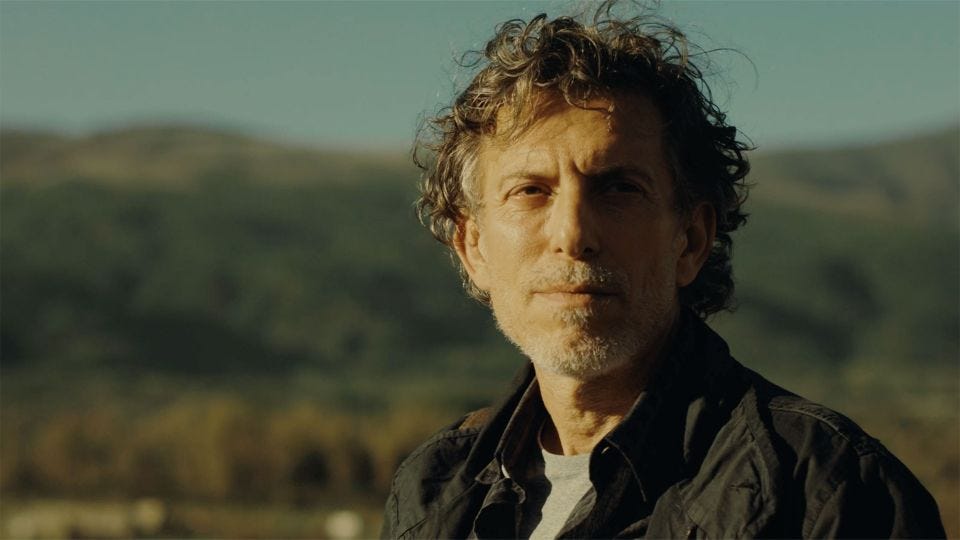
Assim, a profundidade de campo dissolve o país no borrão do pano de fundo, a fim de se concentrar nos rostos dos personagens, sobretudo do protagonista vivido por Galin Stoev. A câmera paira diante dele, observando-o encarar para fora do quadro, e muitas vezes à esquerda, para o que há no ‘fora de campo’ e está inacessível, como se buscasse alcançar um passado que já não pode ser tocado. Associado a isto, a câmera aproxima-se lenta e pacientemente em direção ao rosto dos personagens, como se investigasse a sua expressão, os sulcos de seu rosto, o cabelo desalinhado, ou a fumaça do cigarro, ali tentando encontrar, nas microexpressões, as emoções que escapam para forma o todo emocional da narrativa. Geneviève compromete-se admiravelmente com esta forma, e colhe os frutos quando os personagens coadjuvantes contrapõem à jornada interna do protagonista, revelando as emoções por entre os poros de suas peles.
A arte de Nina é um destes contrapontos, e alegoriza a relação de Mihail com sua filha Rose/Roza (Michelle Tzontchev); eis o peso simbólico do título, sobretudo considerado o significado da palavra curador, para além de ser uma profissão que só administra um acervo ou patrimônio artístico. Mihail age não apenas como curador, mas como figura paterna alternativa e substituta, embora não de forma óbvia. Enquanto emigrante, que decidiu partir, Mihail observa Nina resistir à ideia de abandonar a terra, a família, os amigos e as raízes, em resumo o meio que estimulou e viabilizou produzir arte como o gesto lúdico que é, mas que agora se tornou um passaporte para o exílio involuntário. A menina prodígio passa a amaldiçoar a arte que amava, e a contradição instala-se aí juntamente com a tensão dramática.
Mas o filme evita explosões dramáticas, e mesmo o momento catártico é encenado de uma forma menos assertiva e mais poética. E, durante seu retorno à sua terra, Mihail participa de uma festa comunitária alegre e dançante; de um jantar familiar doloroso, embora também a oportunidade de enfrentar e saras as feridas. Geneviève confia que emoções são mais expressivas quando contidas e quando os diálogos dizem mais pelo que omitem do que pelo que declaram, e apoia-se em um elenco bastante competente em traduzir os temas centrais. E é esta contenção que torna a experiência tocante até, em um determinado momento, eu me pegar cantarolando canções em um idioma, em que só sei pronunciar Da.
Nina Roza começa só como uma viagem a trabalho a fim de autenticar ou desmascarar a prodígio artista, para transformar-se em uma viagem pessoal de autenticação afetiva e humana de um indivíduo no mundo, com seus traumas, sonhos e suas contradições - tipo pensar em francês enquanto fala em búlgaro.
O filme está na competição do 76º Festival de Berlim.
English review
There is an apparently banal moment in Nina Roza that kept echoing in my mind: while searching for Nina and her family in a town far from Bulgaria’s urban centers, Mihail, who emigrated from the country to Canada some 30 years ago, is approached by a friendly man intrigued by the fluency and vocabulary of his visitor. “Didn’t you learn Bulgarian in Canada?” the man asks after Mihail states that he “thinks in a French way.” Clearly, Mihail means that the translation of his ideas into words follows French syntax rather than Bulgarian; however, in the subtext, thinking in a French way when one is an immigrant returning to his origins carries a bitter and revealing taste that runs through Geneviève Dulude-de Celles’ drama.
Mihail returns to Bulgaria to authenticate the work of an eight-year-old girl whose paintings have achieved viral status on social media – I recall My Kid Could Paint That, by Amir Bar-Lev, which documents the story of Marla Olmstead and the abstract paintings she produced at an even younger age than Nina. This journey to authenticate the young artist’s work and talent is less about art, the market, and inspiration, and more about the curator himself — about what he lost, what he abandoned, and what still hurts upon returning to his country of origin. With formal and aesthetic perceptiveness, Geneviève understands that the narrative is not a postcard film. Bulgaria is less a geographical and touristic landscape; it is a human landscape — one scene inside the hotel makes this evident; instead of going out sightseeing, Mihail remains inside his room, smoking, watching through the window a world that is no longer accessible to him.
Thus, the shallow depth of field dissolves the country into the blur of the background in order to concentrate on the faces of the characters, especially that of the protagonist played by Galin Stoev. The camera hovers before him, observing him stare out of frame, often to the left, toward what lies in the ‘off-screen’ and remains inaccessible, as if he were trying to reach a past that can no longer be touched. Associated with this, the camera slowly and patiently moves closer to the characters’ faces, as if investigating their expressions, the furrows of their skin, the disheveled hair, or the cigarette smoke, attempting to find in those micro-expressions the emotions that escape in order to form the narrative’s emotional whole. Geneviève admirably commits to this form and reaps the rewards when supporting characters counterpoint the protagonist’s internal journey, revealing emotions through the pores of their skin.
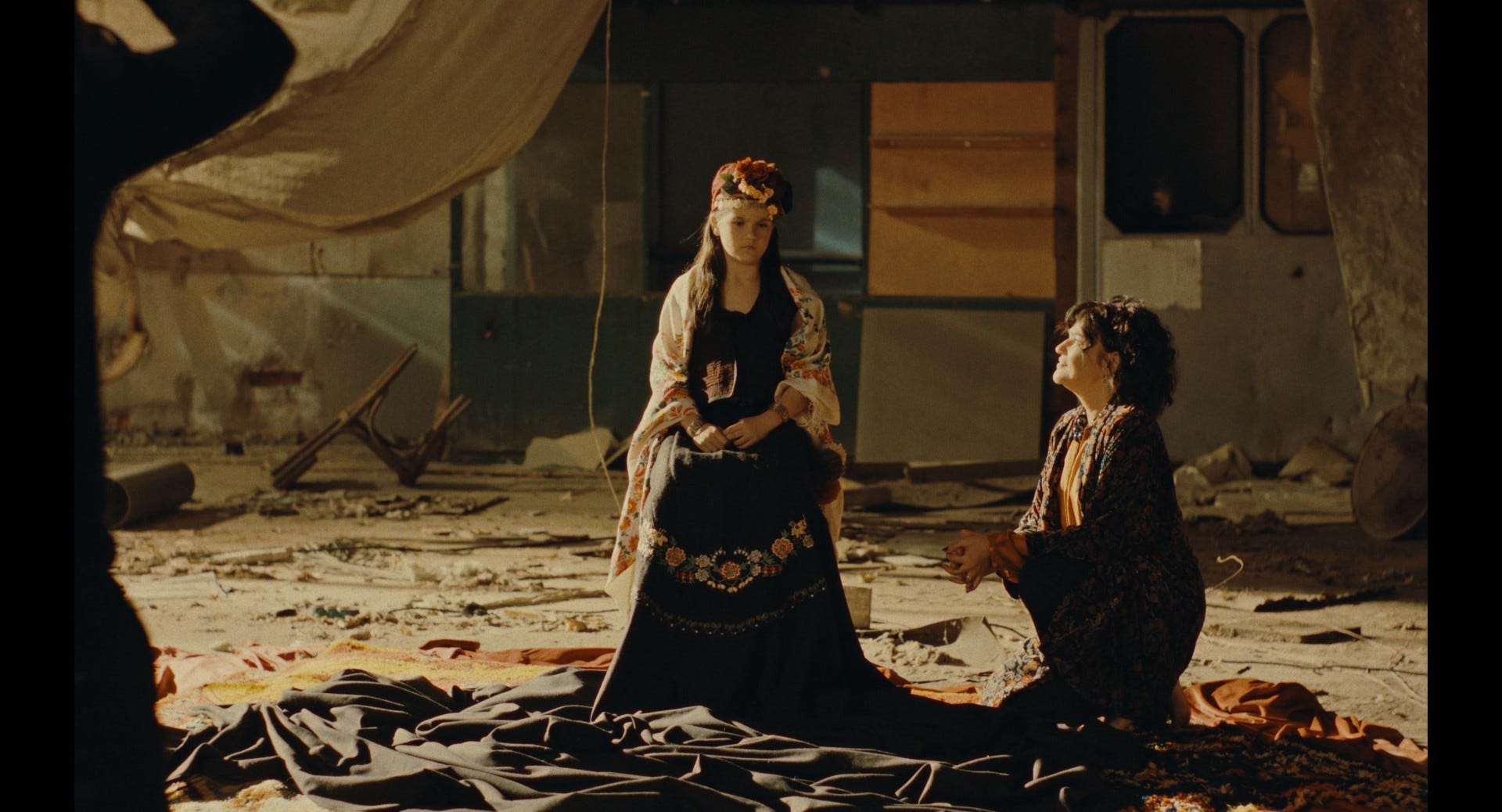
Nina’s art is one of these counterpoints and allegorizes Mihail’s relationship with his daughter Rose/Roza (Michelle Tzontchev); hence the symbolic weight of the title, especially when considering the meaning of the word curator beyond being a profession that merely manages an artistic collection or heritage. Mihail acts not only as a curator but as an alternative and substitute paternal figure, though not in an obvious way. As an emigrant who chose to leave, Mihail watches Nina resist the idea of abandoning her land, her family, her friends and her roots — in short, the environment that stimulated and enabled her to produce art as the playful gesture it is, but which has now become a passport to involuntary exile. The prodigy girl begins to curse the art she once loved, and the contradiction settles there along with the dramatic tension.
Yet the film avoids dramatic outbursts, and even the cathartic moment is staged in a less assertive and more poetic manner. During his return to his homeland, Mihail takes part in a joyful, lively community celebration; in a painful family dinner that is also an opportunity to confront and heal wounds. Geneviève trusts that emotions are more expressive when restrained and when dialogues say more through what they omit than through what they declare, relying on a very competent cast capable of translating the central themes. And it is this restraint that makes the experience so touching that, at one point, I caught myself humming songs in a language in which the only word I can pronounce is Da.
Nina Roza begins merely as a work trip to authenticate or unmask a prodigy artist, only to transform into a personal journey of emotional and human authentication of an individual in the world, with his traumas, dreams and contradictions – like thinking in French while speaking in Bulgarian.